
Last week, I finished a triangular shawl of candy apple red merino wool that was such fun to make. The shawl follows a highly-textured, classic fan pattern that worked up fairly quickly with a 4.5mm hook. It’s soft, squishy, and the color is no end of cheerful. My timing on this one couldn’t be better. Korea’s famous red roses of May just reached their peak, and we had a spell of cool-ish weather that allowed me to wear it one afternoon, so I matched the flora. I’ll have to store the shawl until autumn, though, since temperatures are now rising again.



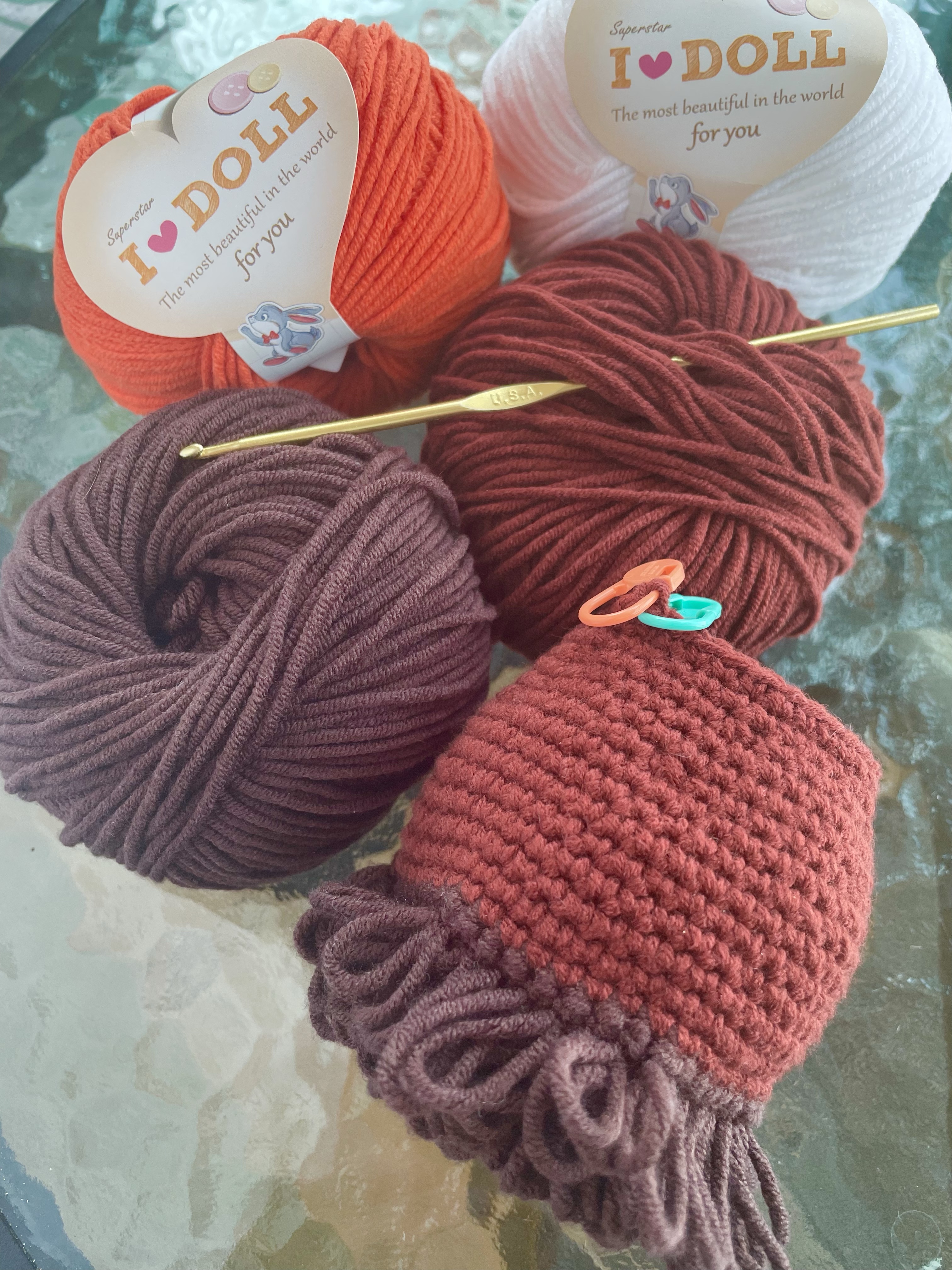
I’m also working on a couple of projects that use more subdued earth tones, but they are very different. The first is a new amigurumi mystery animal. It has me practicing the loop stitch with some scrumptious new acrylic yarn that I found online. The yarn is DK weight, but I’m using a 2.75mm aluminum hook, which makes the stitches super tight. That’s desirable for a toy, so the stuffing will not show through, but I have developed a small blister on my right middle finger from the repetitive motion. I don’t mind such battle scars, though, if the outcome is great, which I am pretty sure it will be. It may be a month before I am ready to reveal this one.


My “mindless” project is a triangular shawl with a more gentle slope and a larger wingspan than the red one. This shawl uses a cotton/acrylic YarnArt 1000m gradient yarn cake. It will make beautiful color changes, and will shimmer slightly, as it has gold accent thread. The colors are shades of ivory, caramel, taupe, and warm brown. I’m using an aluminum G hook (4.25mm) for this. It’s a simple, repetitive stitch that I can do when I am tired or on the subway.
Before I sign off, let me share some exuberant Japanese music and dance I was blessed to witness during my February trip to Tokyo. There were so many small but meaningful moments from that trip that I haven’t had a chance to share in my blog yet, because my work has taken me away for the time being. I’ve often compared the beginning of a semester to being shot out of a cannon, where production seems to outpace reflection time, and I don’t “land” until my grades are in.
The first short video is a shamisen performance at Oiwake, a celebrated folk music bar and grill in Asakusa, Tokyo. (A shamisen is a three-stringed instrument that resembles a banjo.)
Oiwake has the longest history of any folk music bar in Tokyo and has three performances a day by around ten professional musicians. It is known as the place where the Yoshida Brothers practiced before their debut. One of the performers in the video is a prize-winning musician who trained by living with a master shamisen teacher.
I was really fortunate to visit Oiwake when I booked a special tour of the Asakusa area, as this was the tour’s culminating experience. What was really extraordinary is I was alone with the guide, who was an Asakusa local. Because it was just us, we had extra time and she showed me several places in Asakusa that I had not known before. I was also able to talk to the musicians after their performance, and ask a zillion questions without worrying about monopolizing.
This performance was not long after Japan opened back up to the world after Covid restrictions were eased. There were very few Western tourists in the city in February, as it was also still the low season.
You’ll see in the video that the acrylic screens between the audience and stage remain intact, and masks were required when leaving the table.
My longer video shows a street performance in Asakusa, in the main shopping area, just steps from Sensoji Temple. This group of musicians and dancers caught me by surprise, as I had just arrived in Tokyo that morning, and was headed for the Nakamise shopping stalls. When I caught sight of these splendidly-clad performers, my previous plan took a back seat and I had to follow the joyful parade.
One thing I love about Japan is, no matter what time of year, there are so many festivals and impromptu performances that bring beauty to the people. For the Japanese, they are moments of pride and enjoyment, and for visitors, they are opportunities to learn about, appreciate, and savor a different culture. I’ve been to Japan many times, and almost always encounter at least one public performance like this.
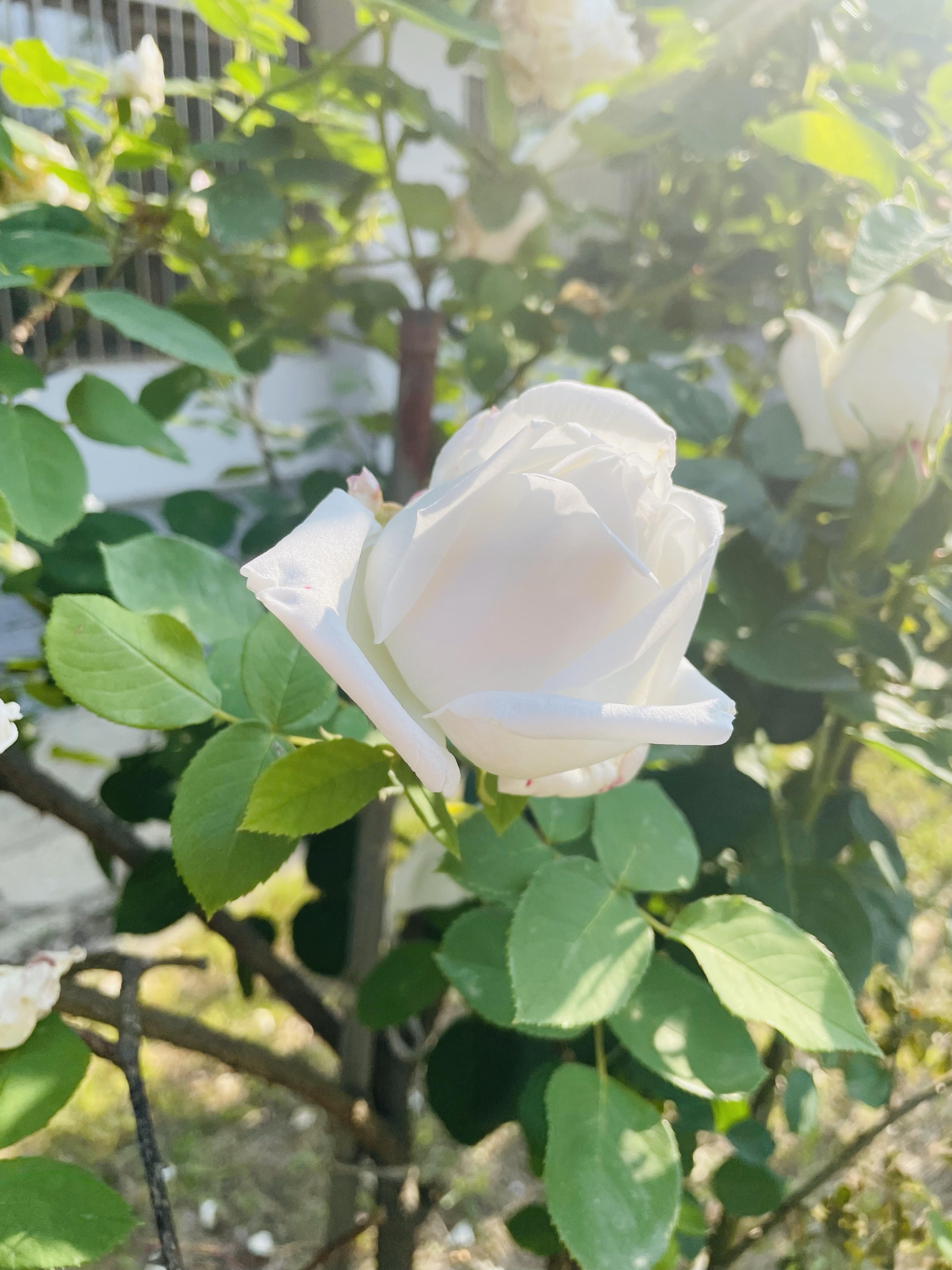
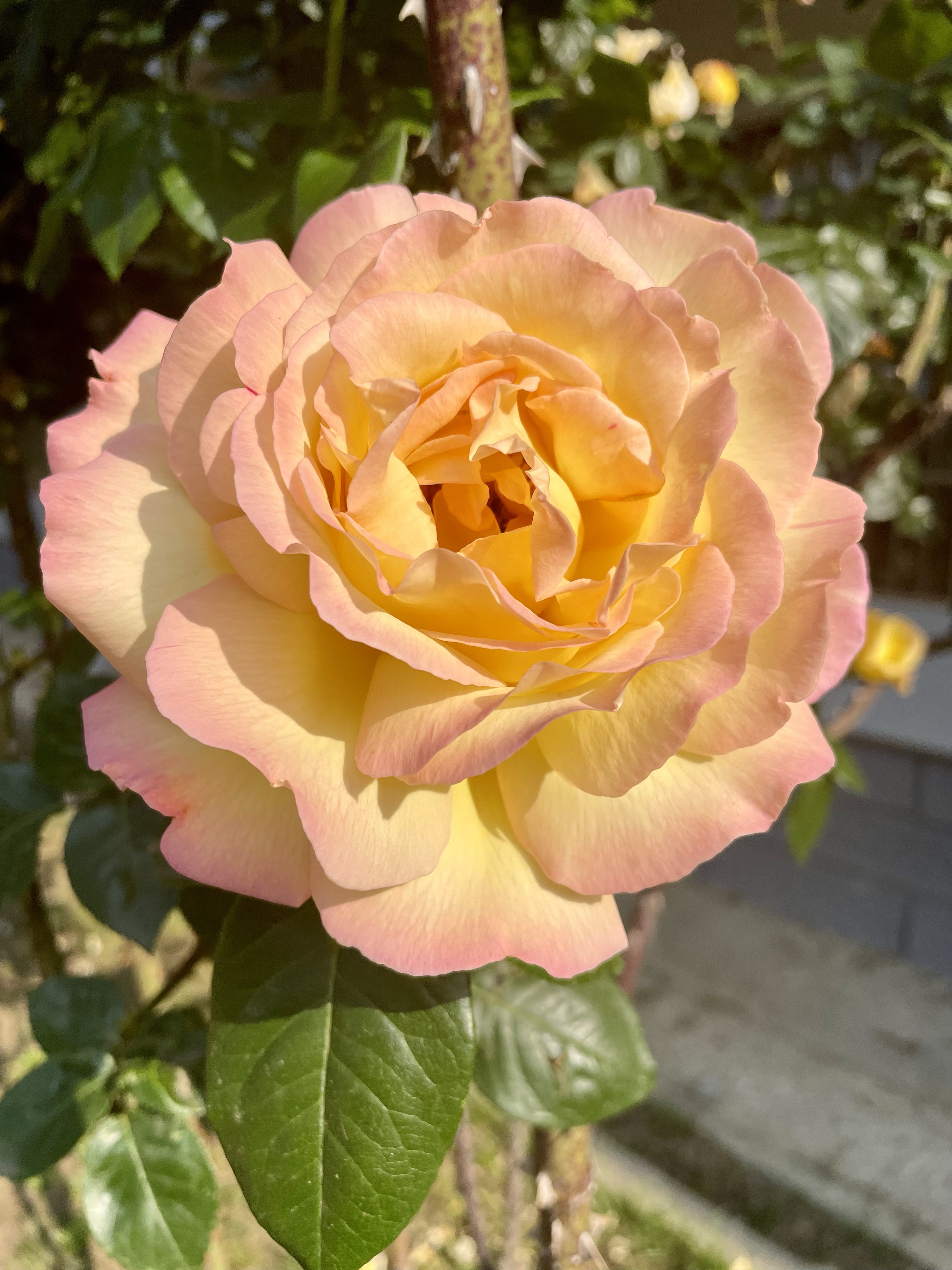


Before the Korean roses bloom and fade, and the giant grasses are weed-whacked into submission, let me share these last pix with you. I’m always amazed at how quickly the local flora grow in May. In some places, grasses are as tall as I am; by the pond, I feel positively Lilliputian.
Discover more from The Frill Seeker
Subscribe to get the latest posts sent to your email.

 The Frill Seeker